There is no universally perfect time to trek in Nepal. There are trade-offs in every season — crowds versus clear skies, rhododendrons versus ice-free passes, solitude versus full lodge availability. What follows is an honest breakdown of what each season actually offers and who it is best suited for, based on decades of guiding experience across all four of Nepal’s main trekking regions.
Autumn (September to November) — the benchmark season
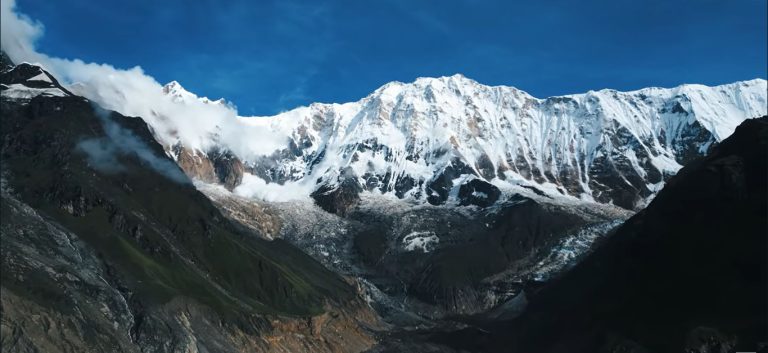
October and early November are what most people mean when they say “the best time to trek in Nepal.” The monsoon ends in September, washing the sky clean and leaving the mountains in their clearest state of the year. Temperatures sit in a comfortable range — warm enough on the lower trails during the day, cold at night above 3,500m, but manageable with good gear. All routes are fully operational, all passes are snow-free, and the overall trekking conditions are as reliable as they get.
The downside is numbers. October on the EBC and Annapurna Circuit routes is busy — not uncomfortably so, but you will share the trail and the tea houses with a lot of other people. If you are aiming for a specific summit like Kala Patthar or Thorong La, the views are spectacular. If you hate crowds, go to Manaslu, Kanchenjunga or Dolpo instead — the same season, dramatically different atmosphere.

Spring (March to May) — colour, crowds, and climbing season
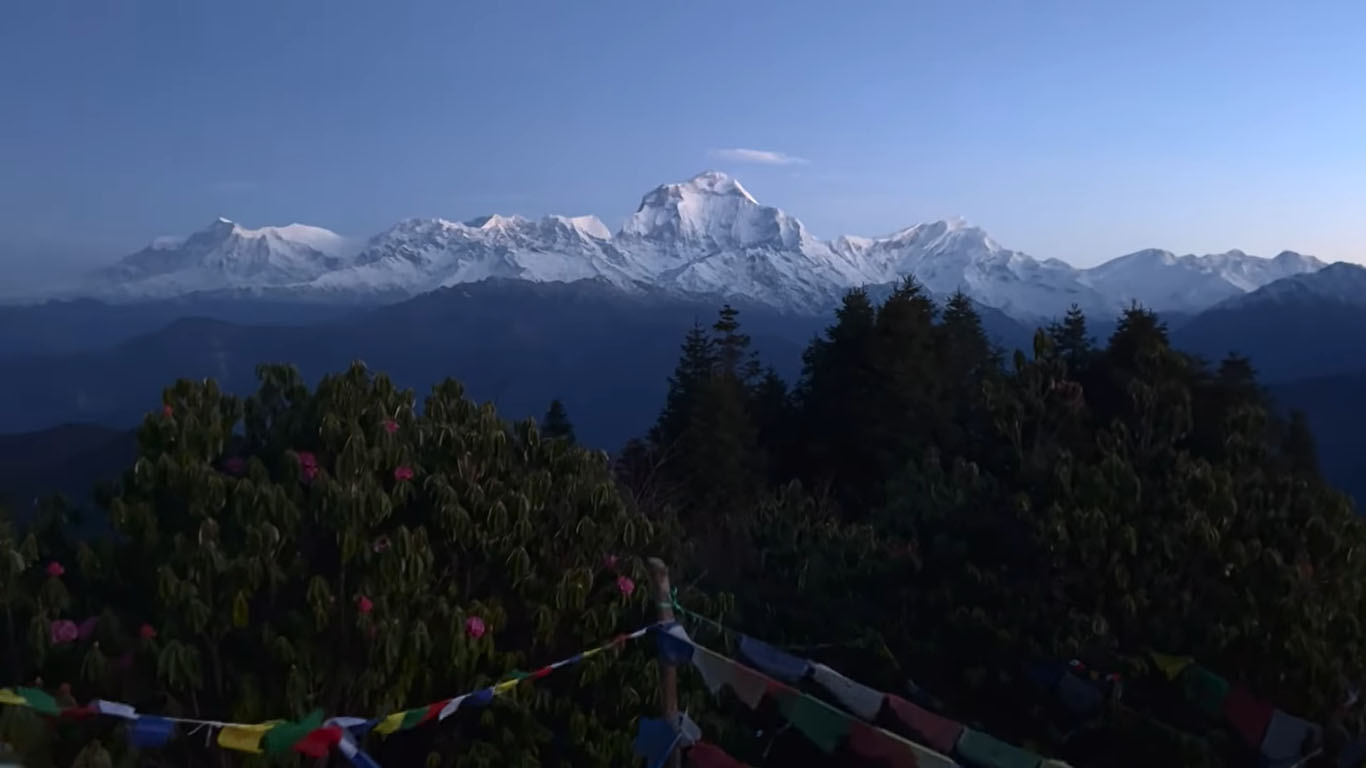
Spring is the second-best trekking season, preferred by many for the rhododendron forests. Nepal has more varieties of rhododendron than anywhere else in the world, and in March and April the forests below 3,500m go completely mad with colour — crimson, pink, white, magenta. The Ghorepani-Poon Hill route in particular is extraordinary in late March and early April. The bees are so thick in the flowering trees that you can hear the forest hum.
Higher up, spring is also when Everest sees most of its summit attempts. The jet stream shifts north in May, opening a window of calm weather on the upper mountain. This means Gorak Shep and the EBC trail get genuinely crowded in April and May as support teams and expedition members move through. Visibility is generally good but afternoon cloud buildup from late April onward can close in quickly.

Winter (December to February) — cold, quiet, and underrated
Winter trekking in Nepal is more viable than most people expect, provided you choose the right route. Below 3,500m the days are cool but pleasant — clear blue skies, thin crowds, lower accommodation prices, and a stillness on the trail that is genuinely restorative. Poon Hill (3,210m) is perfectly doable in December and January. Langtang Valley is cold but accessible. EBC is doable for experienced trekkers with proper cold-weather gear, though night temperatures above Namche will drop to -20°C and below.
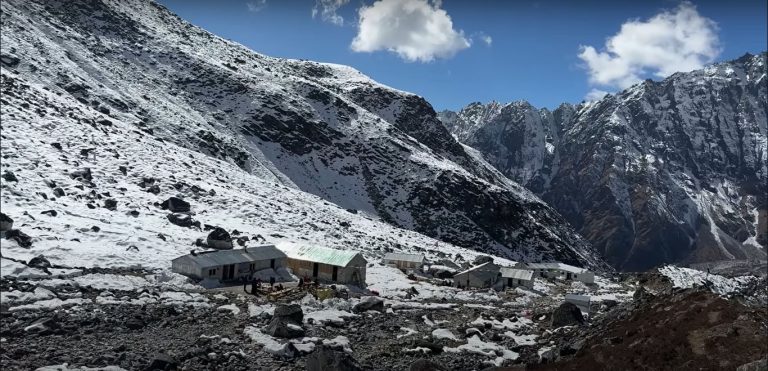
The main risk in winter is trail closures above 4,500m due to heavy snowfall. Thorong La on the Annapurna Circuit occasionally closes for days at a time after a big snowfall, and the high passes on the Three Passes Trek can become dangerous without crampons and ice axes. Below 4,000m, the risks are minimal and the benefits — empty trails, cheap rooms, clear winter light — are real.
Monsoon (June to August) — for the rain-shadow regions
Most of Nepal gets hit hard by the monsoon between June and August — the southern-facing valleys receive heavy rain, trails become slippery and leech-infested, and mountain views disappear behind cloud for weeks at a time. Standard trekking in the Khumbu, Annapurna and Langtang regions is not recommended in this period.
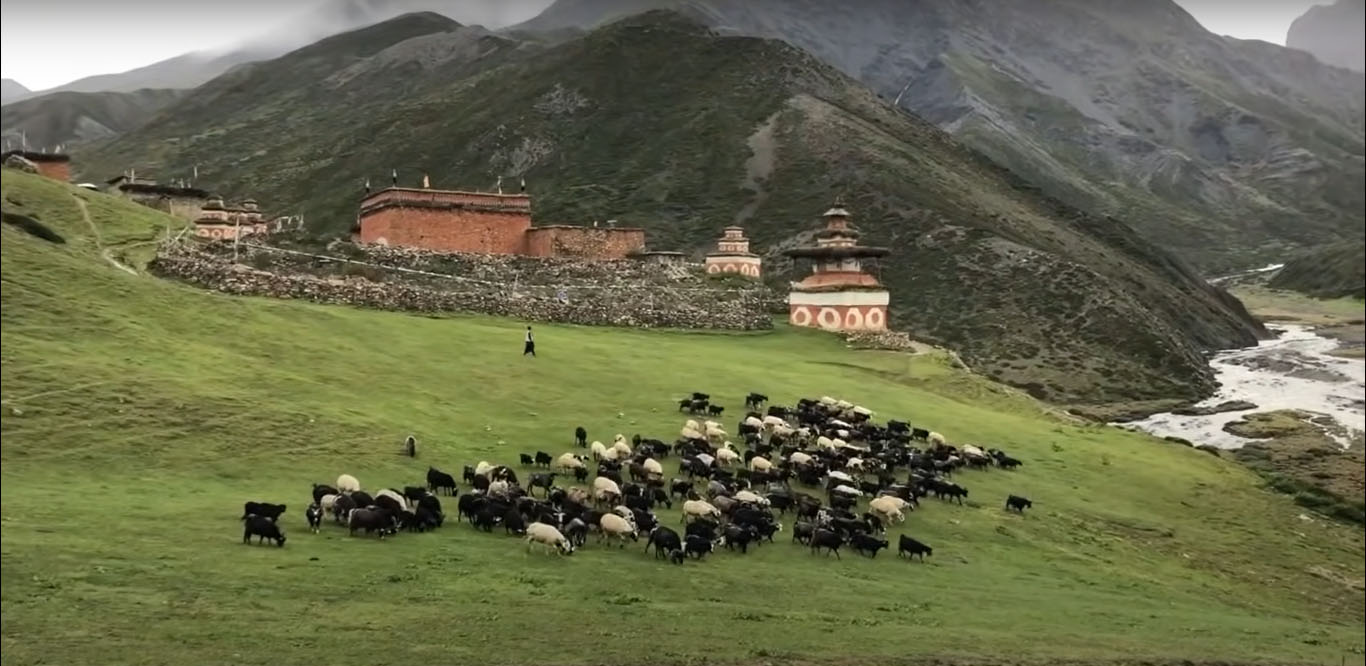
However. The regions north of the main Himalayan range lie in the Tibetan rain shadow and receive very little monsoon rainfall. Upper Mustang, Upper Dolpo and the upper Manaslu valley are actually at their most accessible in June, July and August. The Upper Mustang trek — through the ancient walled city of Lo Manthang and the ochre desert canyons of the Kali Gandaki Valley — is almost exclusively a monsoon-season trip. The landscape is extraordinary and the light on those red canyon walls on a clear monsoon afternoon is something photographers come specifically for.
Quick reference: best seasons by route
| Trek | Best seasons | Avoid |
| Everest Base Camp | Oct–Nov, Mar–May | Jun–Aug (cloud), Dec–Feb (cold) |
| Annapurna Circuit | Oct–Nov, Mar–May | Jun–Aug (landslides) |
| Poon Hill / Ghorepani | Oct–Apr | Jun–Aug (rain) |
| Langtang Valley | Oct–Dec, Mar–May | Jan–Feb (very cold above 3,500m) |
| Manaslu Circuit | Sep–Nov, Mar–May | Dec–Feb (Larkya La often snowbound) |
| Upper Mustang | Jun–Aug | Oct–May (windy, sometimes cold) |
| Gokyo Lakes | Oct–Nov, Mar–May | Dec–Feb (Renjo La may be closed) |
| Kanchenjunga | Oct–Nov, Apr–May | Jun–Sep (heavy monsoon) |
Not sure which season works for your schedule?
Tell us your dates and your preferred route and we will give you an honest assessment of what conditions to expect, what the trade-offs are, and whether an alternative timing or route might suit you better. We don’t push people into treks at the wrong time of year — it is bad for them and bad for us.