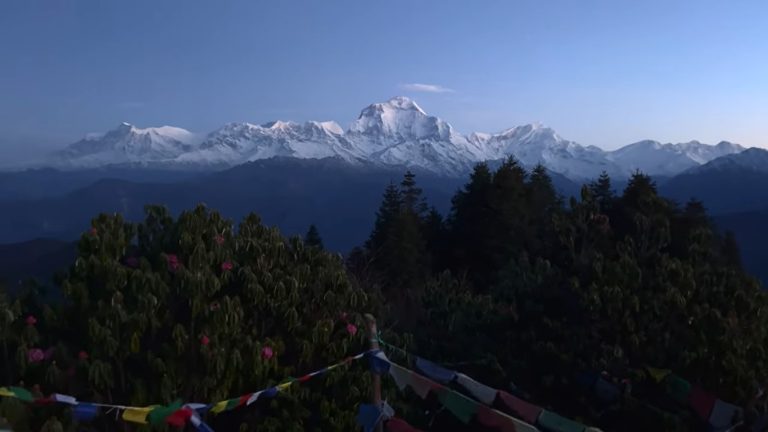
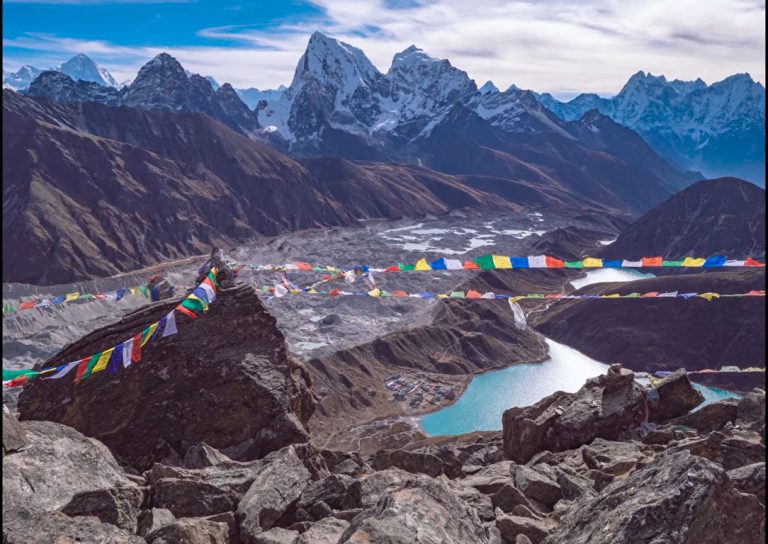
Four hours north of Kathmandu by road, the Langtang Valley begins. Not four hours as in a comfortable highway drive — four hours through a series of switchbacks climbing a gorge that gets narrower and steeper until it feels like the mountains have swallowed the road whole. When you reach Syabrubesi and start walking, the valley opens up ahead of you and the scale of the place hits you immediately. This is one of Nepal’s least visited major trekking routes, which is baffling given how good it is.
Why Langtang is different from the other big routes
Langtang sits directly north of Kathmandu, close enough that you can see the range on clear days from the Kathmandu Valley rim. It is technically in a different watershed from the Khumbu and Annapurna regions, sharing its northern border with Tibet. The Tamang people who have lived in this valley for generations are ethnically and culturally Tibetan — you see it in the architecture, the food, the religious festivals, and the way the monasteries are oriented toward the high passes.
The valley was hit severely by the 2015 earthquake. A landslide buried the old Langtang village completely, killing most of its residents. A new village has been built nearby, and the community has rebuilt with remarkable resilience — but if you trek here, you will see memorial stones and prayer wheels put up in honour of those who were lost. It adds a layer of meaning to the place that is unlike any other trekking route in Nepal.
The walk to Kyanjing Gompa
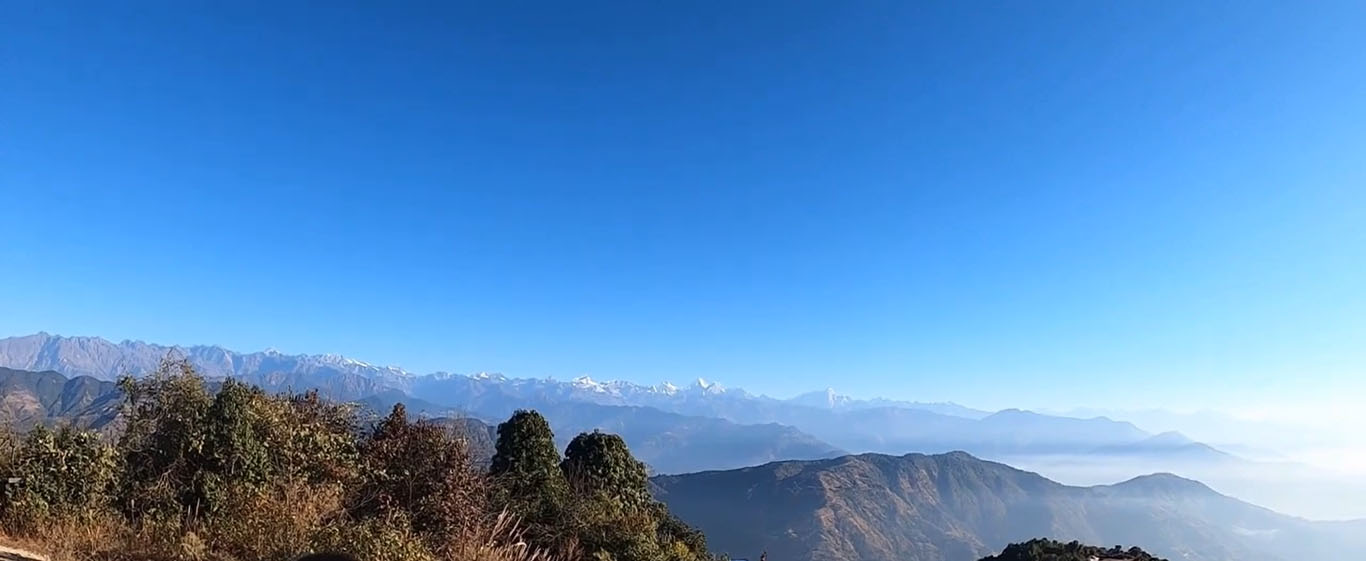
The main route climbs from Syabrubesi (1,462m) through steep bamboo and rhododendron forest before levelling out into the upper valley at around 3,200m. The walking becomes easier here — a wide, open valley with the Langtang Khola river running through the middle and snow peaks filling the horizon ahead. Langtang Lirung (7,227m) towers directly over the valley in a way that makes it feel close enough to touch.
Kyanjing Gompa (3,870m) is the end of the main trail and where most trekkers base themselves for two or three days. It is a small settlement with a handful of tea houses, a centuries-old monastery, a yak cheese factory (small but functional, and the cheese is excellent), and views that you will not find yourself able to adequately describe to anyone at home. Above the village, the Kyanjing Glacier is a twenty-minute walk. From Kyanjing Ri (4,773m) or the higher Tserko Ri (5,033m) you get a full 360-degree panorama of peaks.

The Tamang Heritage Trail option
The Tamang Heritage Trail is a lower-altitude alternative (or addition) to the main Langtang Valley route that loops through traditional Tamang villages between Syabrubesi and Helambu. It never goes above 3,860m and passes through communities where traditional architecture, weaving, and shamanic religious practice are still part of daily life. This is a genuinely different kind of trekking experience — more culturally immersive, physically less demanding, and with almost no other trekkers on the trail outside of peak season.

Getting there and practical notes
Langtang requires a Langtang National Park entry permit (NPR 3,000) and a TIMS card (USD 20). Both are available in Kathmandu at the Nepal Tourism Board office or through your trekking agency. No special restricted-area permit is needed, unlike Manaslu or Upper Mustang.
The drive to Syabrubesi from Kathmandu takes four to six hours depending on road conditions. It is possible by local bus or jeep. We arrange private 4WD transfers for all clients — the road is rough enough that a private vehicle is worth the extra cost. Accommodation in the valley ranges from basic to comfortable; the lodges at Kyanjing Gompa are the best on the route and book up quickly in October and November.
Trek Langtang with IATE
Langtang is one of our favourite routes to guide — close to Kathmandu, genuinely wild, and still free of the crowds that define trekking on the more famous trails. We run 7-day and 10-day versions of this route, with options to combine the Heritage Trail or extend to Gosaikunda. Drop us a message and we will work out the right fit for your timeline.